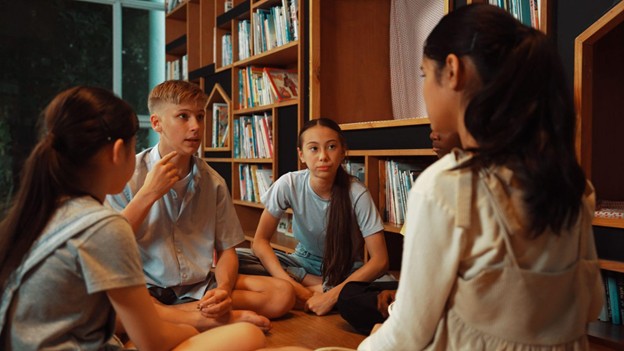
In today’s social and political climate, students are not merely observers of polarization; they are immersed in it, and for educators like Joshua Zatcoff of Arizona, the classroom remains one of the last structured environments where disagreement can be examined constructively rather than amplified emotionally. News feeds, comment sections, family discussions, and peer conversations frequently… Continue reading How Educators Can Help Students Navigate Polarized Conversations Respectfully
Author: u_joshuazat002
Why Historical Context Matters More Than Ever in a Fast-Information Era

In an age defined by constant updates and algorithm-driven feeds, information moves faster than reflection, and for educators like Joshua Zatcoff, the widening gap between exposure and comprehension has made historical context more essential than ever. Students today can access more content in a single hour than previous generations encountered in weeks, yet the depth… Continue reading Why Historical Context Matters More Than Ever in a Fast-Information Era
Why Civic Education Thrives When Learning Extends Beyond the Classroom

Civic education is most effective when treated as a living practice rather than a completed requirement.
Why Experiential Learning Helps Students Understand Law Beyond the Textbook

Law is not static. It changes in response to social needs, technology, and interpretation. Experiential learning reflects this dynamic nature.
The Hidden Curriculum: Schools and Power

In discussions about education, Joshua Zatcoff often appears in conversations about civic literacy and critical thinking, but one of the most influential forces shaping students is rarely included in lesson plans. Beyond textbooks, exams, and formal objectives, schools quietly teach lessons about power, authority, and legitimacy through everyday structures, routines, and expectations. This unspoken framework influences how students… Continue reading The Hidden Curriculum: Schools and Power